


The Impact of Eating Speed on Weight Management
Updated: Jun 1
Research on Eating Speed and Calorie Intake
Scientists have studied the connection between how fast people eat and how much they consume. One review looked at 22 controlled experiments where researchers used different methods to slow down eating. These included timed instructions, counting bites, and changing food texture to encourage slower chewing.
Across all these studies, the results were clear: people who ate slowly consistently consumed fewer calories than those who ate quickly. This was not because they tried to eat less but because their bodies had time to register fullness.
A 2024 study from Wageningen University provided even more detailed evidence. The same group of participants ate 24 meals—half fast, half slow. Researchers measured every calorie consumed. When eating slowly, participants ate 22% less food by weight and 13% fewer calories per meal. This happened every time, not just occasionally. The meals were the same, and hunger levels were similar. The only difference was the pace of eating.
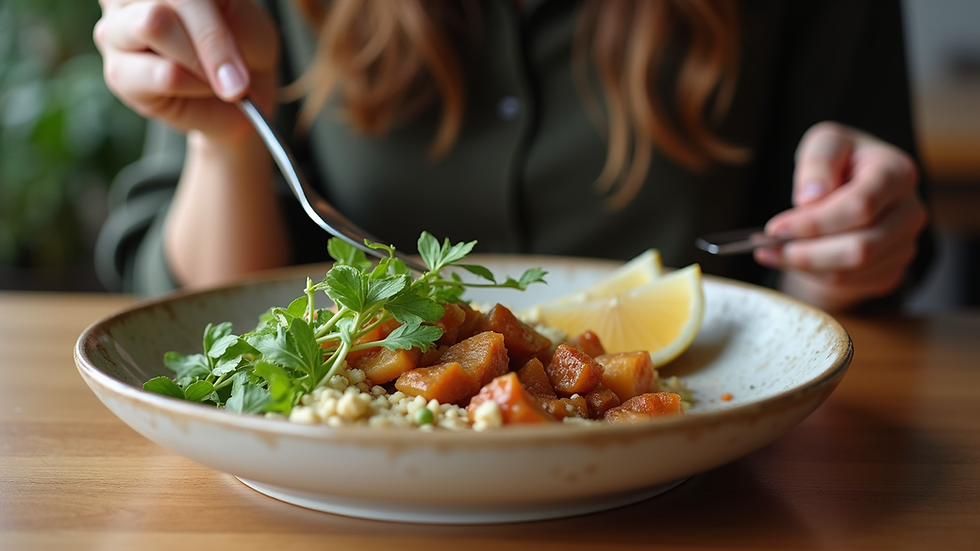
Why Eating Slowly Helps You Eat Less
Your body has a natural system to tell you when to stop eating. When food reaches your stomach and small intestine, your body releases hormones called GLP-1 and peptide YY (PYY). These hormones signal your brain that you are full.
GLP-1 is especially interesting because it is the hormone that some weight loss medications mimic. Your body produces it naturally every time you eat.
The catch is that these hormones take about 15 to 20 minutes to travel from your gut to your brain and register fullness. If you eat too quickly, you might finish your meal before your brain gets the signal to stop. This can lead to overeating because your body is still catching up with what you have consumed.
Practical Tips to Slow Down Your Eating
Changing how fast you eat can be challenging, especially if you are used to quick meals. Here are some practical ways to slow down and give your body time to feel full:
Put your fork down between bites. This simple habit breaks the cycle of continuous eating and helps you focus on each bite.
Chew thoroughly. Aim for 20 to 30 chews per bite to slow your pace and improve digestion.
Eat without distractions. Avoid screens or multitasking during meals so you can pay attention to your hunger and fullness signals.
Take smaller bites. Smaller bites naturally slow your eating and make it easier to chew thoroughly.
Set a timer. Try to extend your meal to at least 20 minutes to allow fullness hormones to work.
How Slower Eating Supports Weight Management
Eating slowly can be a simple but effective tool for managing weight. By reducing calorie intake naturally, it helps prevent overeating without the need for strict dieting or calorie counting.
For example, if you usually consume 700 calories at lunch in 10 minutes, slowing down could reduce that by about 13%, saving roughly 90 calories per meal. Over time, this adds up and can support gradual weight loss or maintenance.
Slower eating also encourages mindfulness, making meals more enjoyable and helping you recognize true hunger and fullness cues.
Other Benefits of Eating at a Moderate Pace
Besides controlling calorie intake, eating slowly offers additional health benefits:
Better digestion. Thorough chewing breaks down food more effectively, easing the digestive process.
Improved satisfaction. Taking time to savor flavors can increase meal satisfaction and reduce cravings later.
Reduced risk of overeating-related issues. Slower eating may help lower the risk of acid reflux and bloating.
Embracing Mindful Eating
By incorporating mindful eating practices into your daily routine, you can transform your relationship with food. This approach encourages you to savor each bite and appreciate the nourishment your meals provide. Remember, it’s not just about what you eat, but how you eat it!
Eating speed is a simple factor that can have a big impact on how much you eat and how full you feel. By slowing down, you give your body the time it needs to send fullness signals, helping you avoid overeating naturally.
Let’s embrace this journey together! 🌱💪✨
If you’re ready to take the next step towards a healthier you, consider booking a free call with me. Together, we can explore personalized nutrition strategies that work for you.

Comments